Bright Purple: The Modern Typeface for Sleek, Single-Line Designs
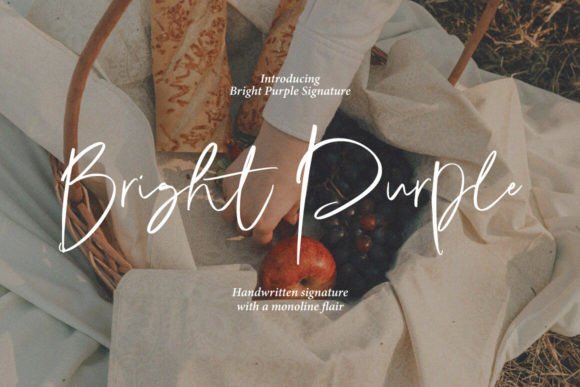
You’ve probably seen fonts that try to do too much—overly decorative, cluttered with details, or struggling to balance style with function. Then there are typefaces that know exactly what they are. Bright Purple falls into the second category. It’s a modern display font built around a sleek, single-line design philosophy. Every curve is smooth, every stroke is intentional, and the overall effect is one of polished elegance without pretension. For designers, entrepreneurs, and creators who need typography that feels contemporary yet versatile, this font offers a compelling solution.
Why a Single-Line Approach Works in Modern Design
In an era where visual clutter competes for attention, simplicity often wins. Bright Purple’s single-line construction isn’t just an aesthetic choice—it’s a practical one. The uniform stroke width gives text a clean, architectural quality that reads well at various sizes, from a small product tag to a large-format poster. Unlike script fonts that can become illegible or heavy serif fonts that may feel dated, this typeface maintains a balanced, airy presence. It’s the kind of font that doesn’t shout but still gets noticed, which makes it particularly useful for brands aiming for a minimalist or contemporary identity.
Think about how a sleek logo mark looks on a business card versus a billboard. The consistency of a single-line font ensures the design scales without losing its core character. For packaging, this means your product name remains crisp on a tiny label or a retail box. On social media, where graphics are often viewed on small screens, a font like this keeps text sharp and readable. It’s a workhorse that adapts to context without requiring multiple font weights or styles to do so effectively.
Practical Applications Across Creative Projects
Where does Bright Purple fit into real-world projects? Its versatile personality makes it suitable for a surprisingly wide range of applications. Let’s break down some common scenarios where this font can shine.
For brand identity and logo design, a font with this kind of refined simplicity can serve as the foundation of a visual system. It pairs well with both geometric sans serifs for a tech-forward look and humanist serifs for a more approachable feel. Imagine a boutique skincare brand using Bright Purple for its wordmark—the clean lines suggest modernity and purity, aligning with values of transparency and quality.
In editorial and web design, it works beautifully for headlines, pull quotes, or section titles. A lifestyle blog could use it for post headers to add a touch of sophistication without overwhelming the body text. For digital products like e-books or online courses, it provides a professional typographic layer that enhances perceived value. The font’s elegance also translates well to print materials—think business cards, letterheads, or event invitations where a personal, crafted touch is desired.
Don’t overlook its potential for merchandise and packaging. A coffee roaster might use Bright Purple for bag labels, or a small apparel brand could feature it on hang tags. Its readability and distinctive style make it memorable, which is exactly what you want when your product is competing on a shelf or in an online store.
Pairing and Readability: Making It Work in Context
No font exists in isolation. The real skill in typography is knowing how to combine typefaces effectively. Bright Purple’s moderate contrast and clean forms make it a flexible partner. For body copy, pair it with a highly readable sans serif like Open Sans or a sturdy serif like Lora. The key is to let the display font do the talking in headlines while the supporting font handles longer text blocks.
Always test your pairings in the actual medium. A font that looks great on your design screen might behave differently when printed on textured paper or viewed on a mobile device. Check spacing, kerning, and size relationships. Since Bright Purple has a consistent stroke weight, it generally maintains clarity, but be mindful of contrast against busy backgrounds. A simple white or light gray background often lets its curves stand out best.
From Hobbyist to Professional: Using Fonts with Confidence
One of the challenges for non-designers is knowing how to choose and use fonts without second-guessing every decision. A font like Bright Purple can build confidence because its design is inherently balanced. You don’t need to be a typography expert to make it look good. Start with a clear goal: are you aiming for modern, clean, elegant, or creative? This font leans toward modern and elegant, so if your project calls for a rustic or vintage vibe, it might not be the best fit.
For small business owners creating their own marketing assets, consider how the font aligns with your brand voice. If your business is a modern consultancy, a creative studio, or a lifestyle brand, this typeface can help convey that identity consistently. Use it across your website, social media templates, and printed materials to build recognition. Consistency is what turns a nice font into a brand asset.
Always review the included font styles and licensing. A premium font often comes with multiple weights, alternates, and commercial licenses that allow you to use it across various projects without legal headaches. Make sure the license covers your intended use—whether for digital products, print merchandise, or client work. Investing in a quality font is investing in your project’s professional presentation.
Final Thoughts on Choosing the Right Typeface
Selecting a font is more than just picking something that looks pretty. It’s about finding a visual voice that supports your message and resonates with your audience. Bright Purple, with its sleek, single-line design, offers a blend of style and function that suits many modern creative needs. It’s a typeface that doesn’t distract but enhances, making it a solid choice for anyone looking to add a touch of refined modernity to their work.
Try it out in your next project. Mock up a logo, test a social media graphic, or see how it feels on a sample business card. The best way to know if a font works for you is to see it in action. With its smooth curves and elegant lines, this font might just become a go-to in your design toolkit.