Bring Back the Groove: Designing with the Curved Wavy Font
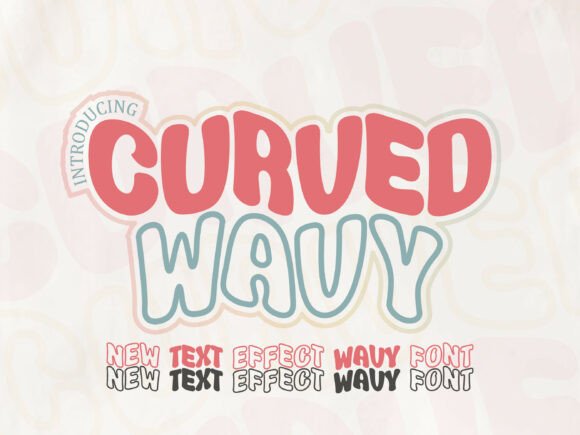
There is a distinct energy that comes from the design language of the late 1960s and 1970s—a time when typography wasn't just about legibility, but about movement and expression. If you have been scrolling through mood boards lately, you have likely noticed that this psychedelic, fluid aesthetic is making a massive comeback. We are moving away from the rigid, grid-locked sans-serif fonts that dominated the last decade and leaning into typefaces that feel alive. Enter Curved Wavy, a groovy font style that captures the essence of this era with a distinct wavy effect. It isn’t just a novelty; for designers, small business owners, and content creators, it represents a bridge between nostalgic charm and modern visual communication.
The Visual Appeal of Fluid Typography
So, what exactly makes a typeface like Curved Wavy stand out in a sea of available fonts? The answer lies in its visual personality. Unlike standard display fonts that sit statically on a baseline, Curved Wavy utilizes undulating curves to create a sense of rhythm. This playful yet stylish look makes it an immediate focal point. When a viewer looks at text rendered in this style, their eye naturally follows the movement of the letters, which increases the time they spend engaging with the content.
From a visual communication standpoint, this font acts as a "vibe check" for your brand. It signals that a brand is approachable, fun, and confident. It works exceptionally well as a display font for headers and titles where you want to establish an emotional connection immediately. The aesthetic is inherently retro-inspired, yet it pairs surprisingly well with modern minimalist layouts, offering a necessary contrast that prevents designs from looking sterile.
Practical Applications for Modern Projects
While the style is rooted in the past, its application is entirely contemporary. For small business owners and entrepreneurs, understanding where to deploy a font like Curved Wavy is key to maximizing its impact without overwhelming the audience. Because of its decorative nature, it is rarely suited for body text, but it shines in specific areas of visual consistency and brand recognition.
Branding and Logo Design
A logo needs to be memorable. If you are launching a lifestyle brand, a coffee shop, a podcast, or a clothing line targeting a younger demographic, Curved Wavy offers a distinct silhouette. In logo design, the font can be customized to interlock letters, creating a cohesive mark that feels hand-crafted. It helps build a brand identity that feels warm and human, distancing the business from the cold, corporate look of standard geometric fonts.
Packaging and Merchandise
Physical products rely on shelf appeal. Packaging design for items like artisanal sodas, organic snacks, or vinyl records can benefit immensely from this groovy font style. The wavy effect mimics the texture of physical goods and adds a tactile quality to flat graphics. Similarly, when designing merchandise—such as tote bags, t-shirts, or stickers—this typeface ensures the text is readable from a distance while maintaining a stylish, boutique feel.
Digital Presence and Marketing Assets
In the digital realm, attention spans are short. Using Curved Wavy for social media graphics—specifically Instagram Stories, Reels covers, or Pinterest pins—can stop the scroll. It adds a burst of personality to promotional banners and marketing assets. For web design, it works best for hero section headlines or "About Us" page titles, setting a friendly tone before transitioning to a highly legible sans-serif font or serif font for the main content.
Editorial and Print Materials
Even in traditional editorial design, there is room for this style. Think of magazine pull-quotes, party invitations, or event posters. For print materials like flyers or business cards, Curved Wavy can help organize information by clearly distinguishing headings from contact details. It is also a fantastic choice for digital products, such as PDF guides or e-book covers, where a premium, polished look is required to justify the product's value.
Strategic Typography: Pairing and Professionalism
Adopting a creative font like Curved Wavy requires a strategic approach to typography. A common mistake in design is using two fonts that compete for attention. To maintain a professional presentation and ensure readability, you must master the art of font pairing.
Because Curved Wavy is a display font with high character, it demands a neutral partner. If you pair it with another script font or a highly stylized handwritten font, the result will likely be chaotic and difficult to read. Instead, look for a clean, geometric sans-serif font or a classic, sturdy serif font for your subheadings and body copy. The contrast between the fluid, organic curves of the headline and the structured, rigid lines of the body text creates a visual hierarchy that guides the reader effortlessly through the content.
When testing your pairings, pay close attention to x-heights and spacing. You want the transition from the headline to the body text to feel intentional. A good rule of thumb is to let the Curved Wavy font do the heavy lifting for the "emotion" of the piece, while your secondary font handles the "information." This balance ensures your design looks polished rather than amateurish.
Licensing and Long-Term Value
For entrepreneurs and designers, the technical side of font selection is just as important as the aesthetic. When downloading a premium font like Curved Wavy, you are often investing in a comprehensive design asset. High-quality typefaces usually come with multiple weights, alternates, and sometimes even ligatures that allow you to customize the look of the letters further.
It is crucial to review the licensing terms before incorporating the font into client work or commercial products. Most commercial fonts require specific licenses depending on the usage—whether it is for a single user, a team, or for high-volume merchandise production. Ensuring you have the correct license protects your business legally and supports the typographers who create these design assets.
Ultimately, choosing a font is about matching typography to project goals. Curved Wavy is not a universal solution for every document, but for the right project, it is transformative. It injects energy, evokes nostalgia, and proves that typography can be fun without sacrificing functionality. Whether you are refreshing a brand identity, launching a new product, or designing a digital campaign, exploring the potential of this wavy, groovy typeface might just be the creative spark your project needs.