Camellia: The Floral Sans Serif Font That Feels Like a Craft
There’s a moment in every creative project where the typeface you choose either connects with your audience or creates a disconnect. You’ve felt it before—scrolling through hundreds of fonts, looking for one that captures the handmade warmth of your brand, the organic quality of your product, or the whimsical tone of your latest invitation. Most fonts feel either too sterile or too ornate, too corporate or too casual. Then you stumble upon something like Camellia, and suddenly the search feels worthwhile.
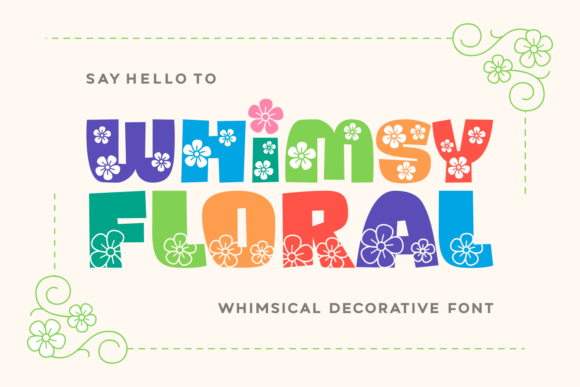
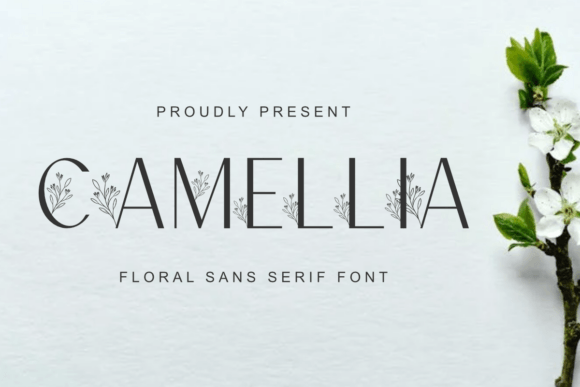
Camellia isn’t just another decorative typeface. It’s a thoughtfully crafted floral sans serif that blends the clean readability of modern sans serif fonts with delicate botanical illustrations woven directly into the letterforms. The result is a typeface that feels both polished and personal, structured yet organic. It’s the kind of font that makes people pause and look closer, noticing the subtle petals integrated into the curves of a “C” or the gentle leaf details along an ascender.
Where Nature Meets Modern Typography
What makes Camellia visually compelling is its ability to balance two seemingly opposing design languages. Sans serif fonts are typically associated with minimalism, technology, and contemporary aesthetics. Floral motifs evoke nature, femininity, romance, and artisanal craftsmanship. By merging these elements, Camellia creates a visual personality that feels fresh and versatile.
The floral details aren’t overwhelming. They’re integrated with restraint—enough to add character and charm without sacrificing legibility. This is a crucial distinction. Many decorative fonts sacrifice readability for style, making them impractical for anything beyond a single headline. Camellia, on the other hand, maintains clarity even at smaller sizes, which opens up a wider range of applications.
Consider how this works in practice. A bakery branding itself as artisanal and handcrafted might use Camellia for its logo and menu headers. The floral elements reinforce the brand’s connection to natural ingredients and careful preparation, while the sans serif structure keeps the design feeling modern and approachable. The font does visual storytelling work that would otherwise require additional graphic elements.
Practical Applications Across Creative Projects
The versatility of a creative font like Camellia becomes apparent when you start mapping it against real-world projects. For small business owners developing a brand identity, this typeface offers a distinctive voice without requiring custom lettering. A skincare line, a floral shop, a boutique clothing brand, or a wedding planning service could build an entire visual system around Camellia’s personality.
Here’s where Camellia naturally fits:
- Logo design and branding: The font’s unique character helps brands stand out in crowded markets. It signals creativity and attention to detail, qualities that resonate with consumers seeking authentic, design-conscious products.
- Packaging design: Product labels, box designs, and wrapping materials benefit from typography that communicates quality and personality. Camellia works beautifully on packaging for cosmetics, candles, teas, artisanal foods, and handmade goods.
- Social media graphics: In feeds saturated with generic fonts, Camellia offers visual distinction. It performs well for quote graphics, promotional posts, story templates, and branded content where stopping the scroll matters.
- Print materials: Business cards, thank-you cards, brochures, and flyers gain warmth and character. The font bridges the gap between professional polish and personal touch.
- Invitations and stationery: Wedding invitations, baby shower announcements, event programs, and greeting cards are natural homes for floral typography. Camellia provides elegance without the formality of traditional script fonts.
- Merchandise and apparel: T-shirt designs, tote bags, mugs, and wall art benefit from fonts that carry visual interest on their own. Camellia’s integrated illustrations mean less reliance on additional graphic elements.
- Editorial and web design: Blog headers, magazine layouts, website banners, and digital product covers gain personality without clutter. The font pairs well with clean body text, creating visual hierarchy through contrast.
For crafters and hobbyists, Camellia opens up creative possibilities for projects like custom stickers, monogram designs, tattoo lettering, baby clothes personalization, and home décor. The font’s inherent decorative quality means even simple applications look intentional and designed.
Making Typography Work for Your Brand
Choosing a font for a project isn’t just about aesthetics—it’s about communication. Every typeface carries associations, and those associations either support or contradict your message. A premium font like Camellia works best when its personality aligns with your project goals.
Before committing to any display font, ask yourself a few practical questions. What emotions should your design evoke? Who is your target audience, and what visual language do they respond to? Where will the typography appear most—in large headlines, small product labels, or digital screens? The answers guide you toward the right style and weight.
Font pairing is another consideration worth your time. Camellia’s decorative nature means it works best as an accent typeface—used for headings, logos, and display text—rather than for long paragraphs of body copy. Pair it with a simple, readable sans serif or serif font for supporting text. A clean typeface like a geometric sans serif or a classic serif provides contrast that lets Camellia’s details shine without visual competition.
Readability testing matters, too. View your design at the actual size it will appear. A font that looks stunning at 72 points on your screen might lose its charm at 14 points on a business card. Camellia’s designers have considered this, but responsible typography always involves testing in context.
Considering Licensing and Long-Term Use
If you’re a designer or business owner, commercial licensing deserves attention before you download any font. Understanding the license terms protects you legally and ensures you can use the typeface across all your intended applications—print, digital, merchandise, and client work. Many premium fonts offer different license tiers, so review what’s included. Can you use it on unlimited projects? Does the license cover social media and digital products? Is it cleared for print-on-demand merchandise?
These details matter because rebranding mid-project due to licensing issues is costly and disruptive. Investing in a properly licensed commercial font from the start saves time, money, and professional headaches down the road.
The Role of Typography in Visual Consistency
Consistent typography is one of the most overlooked elements in building brand recognition. When your audience sees the same typeface across your website, packaging, social media, and marketing materials, they begin to associate that visual style with your business. It becomes part of your brand’s signature.
A distinctive typeface like Camellia accelerates this process because it’s memorable. Unlike generic fonts that blend into the background, Camellia’s floral sans serif character creates a visual anchor. Customers recognize your brand faster. Your materials feel cohesive even when the content varies. That consistency builds trust, and trust drives engagement and sales.
Typography also influences how professional your brand appears. Thoughtful font choices signal that you care about details, that you’ve invested in your presentation, and that you understand your audience. In competitive markets—whether you’re selling handmade candles or offering design services—those signals differentiate you from businesses using default fonts and haphazard design.
Camellia gives you a tool to communicate all of this without saying a word. Its blend of modern structure and botanical artistry tells a story about creativity, care, and attention to beauty. For designers, entrepreneurs, and makers looking to express those values through their visual identity, it’s a typeface worth exploring.