China Mahjong: A Typeface That Captures Cultural Flair
The Visual Weight of Cultural Typography
Practical Applications for Modern Projects
For those in the e-commerce space, packaging design is a prime opportunity. Imagine a box for artisanal dumplings or a premium set of skincare products; the bold lettering of this font can instantly elevate the product on a crowded shelf, signaling quality and a distinct origin story. Similarly, in merchandise—such as t-shirts, tote bags, or posters—the font stands alone as a piece of art. It doesn't need a complex illustration to back it up; the typography itself is the graphic.
In the digital realm, the font serves as a powerful tool for social media graphics and web design. On platforms like Instagram or TikTok, where users scroll rapidly, a bold, stylistic header created with China Mahjong can stop the scroll. It works exceptionally well for YouTube thumbnails, podcast covers, or digital product headers where you need to establish a mood in a split second.
Integrating China Mahjong into Your Brand Identity
Consider the needs of a content creator or a marketing professional launching a campaign for a Lunar New Year event or a cultural festival. Using this typeface for invitations, posters, and editorial layouts creates an immediate visual connection to the theme. It removes the guesswork for the audience; they understand the context of the event before they even read the small print.
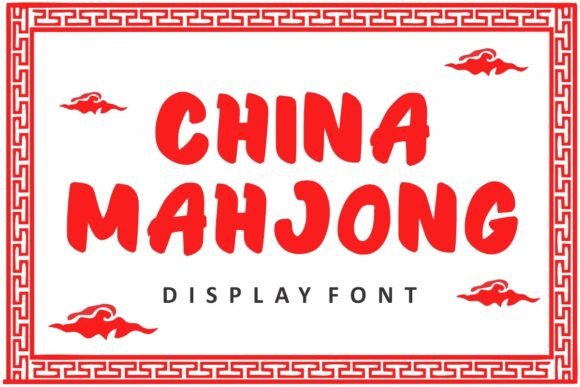
Furthermore, for logo design, this font provides a solid foundation. While many designers modify fonts to create unique logos, starting with a base that already possesses strong character—like the thick, brush-inspired strokes of China Mahjong—saves time and ensures the final result feels professional. It is a commercial font designed to handle the rigors of professional branding, ensuring that the visual identity remains sharp across all mediums, from digital screens to printed materials.
Mastering Font Pairings and Hierarchy
One of the most common pitfalls in design is using a display font for everything. While China Mahjong is striking, using it for body text would likely overwhelm the reader and hurt readability. The key to using this typeface effectively lies in font pairing.
- The Classic Contrast: Pair China Mahjong with a clean, geometric sans serif font for body text. The simplicity of the sans serif will allow the display font to shine without competing for attention. This works well for websites and blogs where readability is paramount.
- The Elegant Match: If your project leans towards luxury or traditional themes, consider pairing it with a refined serif font. The serifs can add a touch of sophistication to the body copy that complements the cultural weight of the header font.
- The Modern Mix: For a more contemporary, editorial vibe, use a light script font or handwritten font for accents, but use this sparingly. The goal is to mix textures—the heavy, painted look of the header with the delicate flow of the accent.
Technical Considerations and Commercial Licensing
Beyond the aesthetic, practical considerations regarding the font files are vital for any professional project. When investing in a design asset like a premium font, you should always review the included styles. Does the font family include bold or italic variations? While the standard weight of China Mahjong is designed to be heavy, having access to variations can help with sub-headings or emphasizing specific words within a layout.
Most importantly, you must understand the commercial licensing. If you are a freelancer creating a logo for a client, or a business owner using the font on your product packaging, you need a license that permits commercial use. "Free for personal use" licenses do not cover business activities. Checking the End User License Agreement (EULA) ensures that your brand identity is legally protected and that you are respecting the intellectual property of the type foundry.