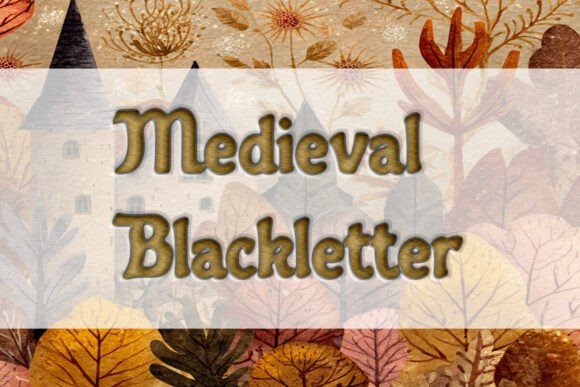
The Enduring Power of Medieval Blackletter
Imagine holding a centuries-old manuscript, the ink slightly raised on thick vellum, the letters forming a dense, intricate tapestry of thorns and curves. There is a weight to those words, a sense of history and gravitas that modern fonts rarely capture. That specific feeling is exactly what you can inject into your contemporary projects by utilizing Medieval Blackletter. It is more than just a typeface; it is a bridge between the ancient world and modern design, offering a distinct voice that speaks of mystery, authority, and artistry. If you are looking to create a design that demands a second look, this font style is your most potent tool.
Understanding the Visual Language
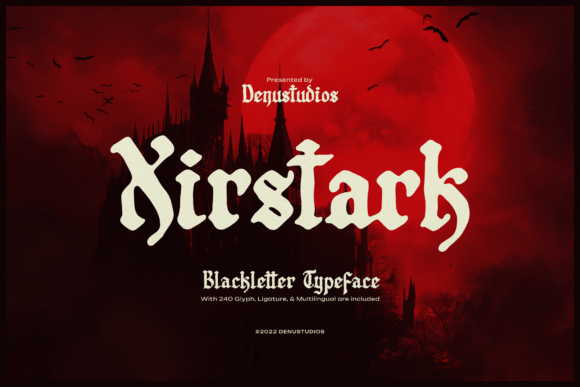
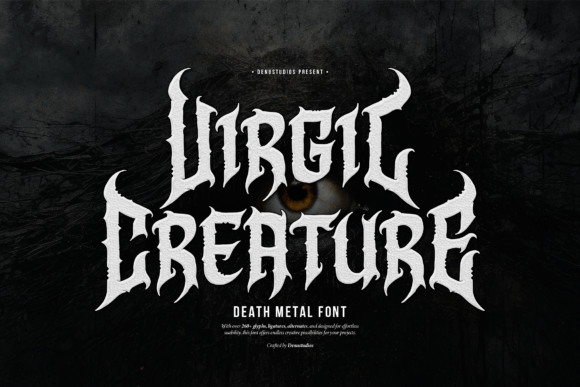
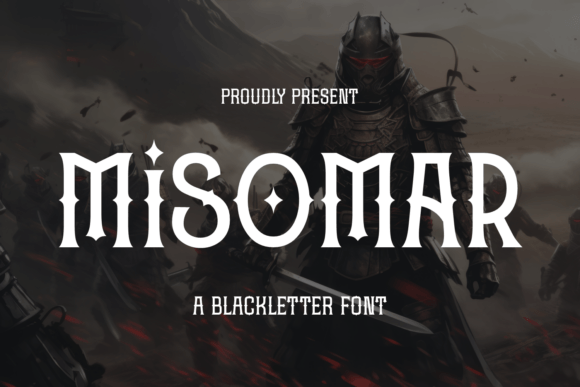
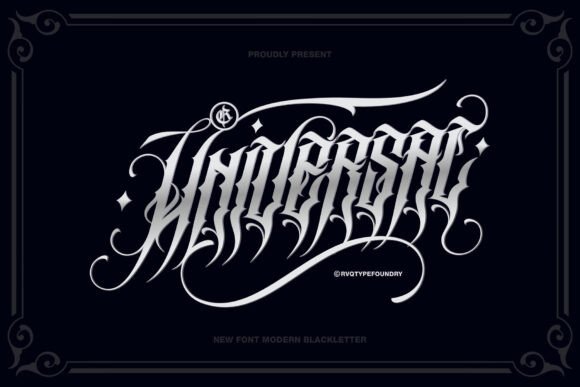
Before you drop this font into your layout, it helps to understand what makes it tick visually. Medieval Blackletter, often referred to as Gothic script, is characterized by high contrast and dense vertical strokes. Unlike the clean, open loops of a sans serif font, the Blackletter style mimics the look of a broad-nib pen held at a specific angle. This creates a texture that is incredibly rich and complex.
However, readability is a critical consideration here. You will rarely want to write a full paragraph of body copy in a heavy Blackletter style. The eye struggles to scan long lines of dense, ornate text. Instead, think of this as a premium font reserved for impact. It works best when it has room to breathe. The visual appeal lies in the sharp, angular edges and the way the letters interlock, creating a silhouette that is unmistakably medieval. It evokes castle-era charm and Renaissance elegance without requiring a history lesson.
Strategic Applications for Modern Projects
The versatility of this display font might surprise you. While it fits perfectly into historical themes, it also creates a striking contrast when paired with modern elements. Here is how you can apply this style across different mediums to achieve specific goals:
- Branding and Logo Design: If you are launching a brand that values craftsmanship, heritage, or luxury, a Blackletter typeface can set the tone immediately. It works exceptionally well for craft breweries, barbershops, heavy metal bands, or high-end fashion labels looking for an edgy, timeless logo design.
- Merchandise and Apparel: There is a reason this style is a staple in t-shirt design. The intricate strokes look fantastic on cotton and fabric. Whether you are selling stickers, hoodies, or tote bags, the font adds a level of sophistication that standard block letters cannot match.
- Editorial and Packaging: Use it for drop caps in magazines or editorial design to anchor a story. For packaging design, particularly on labels for artisanal goods, it suggests quality and tradition.
- Digital and Print Marketing: From posters and greeting cards to social media graphics, this font stops the scroll. On platforms like Instagram or Pinterest, a distinct visual identity is crucial for engagement.
Pairing and Practicality
The secret to using a creative font like this effectively is balance. Because the Blackletter style is so ornate, it needs a grounding partner. This is where font pairing becomes an art form. You generally want to avoid pairing it with other decorative fonts like a script font or a complex handwritten font, as the designs will fight for attention.
Instead, look for contrast. A clean, geometric sans serif font often makes the perfect companion. The simplicity of the sans serif highlights the complexity of the Blackletter. Alternatively, a simple, legible serif font can maintain the classic feel while ensuring the supporting text remains easy to read. Always test your pairings in context. View your layout at the size it will be printed or displayed to ensure the hierarchy is clear. The headline should scream "history," while the subheading whispers "information."
Technical Considerations and Licensing
If you are working on Cricut projects or SVG files, the technical construction of the font matters. High-quality Blackletter fonts are usually designed with smooth vector paths that cut cleanly on vinyl plotters. Before purchasing a commercial font, always check the licensing. If you plan to use the design for print-on-demand merchandise or client work, you need a license that covers commercial use.
Additionally, explore the full character set. A well-crafted typeface in this category often includes alternates, ligatures, and swashes. These extra glyphs allow you to customize the look of the text, making it feel hand-lettered rather than typed. Take the time to review the included styles; some families come with "text" versions that are slightly more legible than the "display" versions, giving you more flexibility in your web design or print layouts.
Ultimately, choosing a Medieval Blackletter font is about making a statement. It is about understanding that typography is a visual cue that tells your audience who you are before they read a single word. Whether you are designing a wedding invitation, a brand identity kit, or a digital product, this style offers a depth of character that few other design assets can provide. Use it wisely, and your work will carry the weight of history with the clarity of modern design.