Voltage: The Tall Sans Serif That Commands Attention
Ever scroll through your feed and stop dead in your tracks because a piece of design just felt... electric? That magnetic pull often comes down to one critical choice: typography. While elegant scripts and traditional serifs have their place, sometimes a project demands pure, unadulterated power. It requires a typeface that doesn't just sit on the page but stands tall, cuts through the noise, and projects an aura of modern sophistication. This is the space where certain design assets live, transforming ordinary text into a visual statement that communicates strength and precision before a single word is even read.
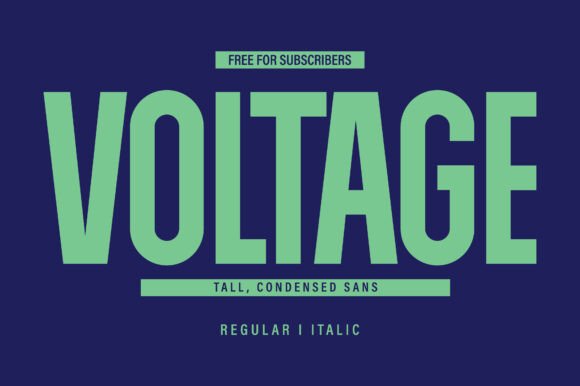
This particular display typeface is a masterclass in condensed, vertical design. It’s not merely a collection of letters; it’s an architectural framework built for visual impact. Its tall, narrow stature allows you to fit more punch into less horizontal space, making it a secret weapon for designers who need to create hierarchy and drama. The minimalist structure strips away any unnecessary ornamentation, leaving behind clean, geometric lines that feel both futuristic and timelessly professional. It’s the kind of modern typography that speaks the language of innovation, making it ideal for brands that want to appear forward-thinking, sleek, and authoritative.
Where Power Meets Precision in Branding
Think about the last time a luxury brand’s packaging or a high-end magazine cover made you feel a certain way. Chances are, the typography played a huge role. This sans serif font excels in environments where brand identity is paramount. For a startup in the tech sector, a fitness brand, or a luxury goods company, using a typeface with this kind of visual authority can instantly elevate perceived value. When you’re crafting a logo design, you need letterforms that are distinct and memorable. The condensed nature of this font allows for bold, stacked layouts that create a monolithic, stamp-like quality, perfect for everything from app icons to embossed business cards.
Beyond the primary logo, consider the broader ecosystem of your brand. Visual consistency is what separates amateur efforts from professional presentations. By integrating this typeface across your marketing assets—from email headers to website banners—you create a cohesive visual language. It ensures that whether a customer is looking at your social media graphics or a printed brochure, they recognize the same strong voice. It’s not just about looking good; it’s about building a visual shorthand that your audience learns to trust and recognize instantly.
The Secret to Scroll-Stopping Digital Content
In the fast-paced world of digital marketing and content creation, grabbing attention is half the battle. This is where a creative font like this truly shines. Standard web fonts are safe, but they rarely spark curiosity. When you use a bold, condensed display font for your headlines on Instagram, Pinterest, or TikTok, you break the pattern of the user’s feed. It’s perfect for creating bold statements, quote graphics, or sale announcements that need to be read in a split second. The high legibility, despite its condensed form, ensures that your message isn’t lost in the artistic flair.
For bloggers and content creators, mixing typography is a key skill. You wouldn’t want to use this tall, striking font for your body text—that would be a readability nightmare. However, as a headline font, it is unmatched. Imagine pairing it with a clean, lightweight sans serif or even a classic serif font for the paragraphs below. This contrast creates a dynamic visual rhythm on the page. It draws the reader in with a powerful headline and then hands them off to comfortable, easy-to-read body copy. This strategy works wonders for editorial design, landing pages, and digital magazines where you need to guide the reader's eye efficiently.
Practical Applications Across Print and Screen
The versatility of a well-engineered typeface extends far beyond the screen. If you are an entrepreneur or small business owner, think about your physical touchpoints. Packaging design is a prime example. On a crowded shelf, a product needs to scream its value proposition. This font’s strong vertical presence can make a product name stand out amidst a sea of competitors using generic typefaces. It works beautifully on merchandise, too—think bold text on t-shirts, tote bags, or mugs where the design needs to be impactful and easily readable from a distance.
Event planners and hobbyists will also find immense value here. Designing invitations for a modern gala, a product launch, or even a stylized wedding requires a font that sets the tone immediately. Because it feels so "high-voltage," it sets an expectation of energy and excitement. It is equally at home on posters and flyers, where the goal is to communicate essential information—dates, times, and locations—with maximum clarity and style. The ability to stack the letters vertically or stretch them across a banner gives you creative flexibility that wider fonts simply cannot offer.
Making the Right Typographic Choice
Choosing the right font style is about matching the tool to the task. Before you download or purchase any premium font, including this one, it is crucial to review the included styles. Does it come with multiple weights? Are there alternates or ligatures? Understanding these features allows you to be more creative and solve specific design problems. For instance, having access to a "Light" version might allow you to use the font in more delicate contexts, while a "Black" weight is perfect for shouting from the rooftops.
When testing font pairings, always prioritize the hierarchy of information. Your display font (like this one) should be reserved for the most important elements: H1s, pull quotes, or the logo. Your supporting typeface should be the workhorse that carries the bulk of the information. Always test your designs in context. A font that looks great on a dark background might lose its impact on a light one, or vice versa. Check the kerning (the space between letters) to ensure everything looks balanced, especially in large headlines where spacing errors become glaringly obvious.
Finally, never overlook the practical side of commercial licensing. If you are designing for a client, selling merchandise, or using the font in a digital product you intend to sell, you must ensure you have the correct license. Most premium fonts offer different tiers for personal versus commercial use. Respecting these boundaries protects you legally and supports the typographers who work tirelessly to create these high-quality design assets. By investing in quality typography, you aren't just buying a file; you are investing in the professionalism and longevity of your brand’s visual identity.