Why Bold, Stacked Typography Is Making a Comeback in Design
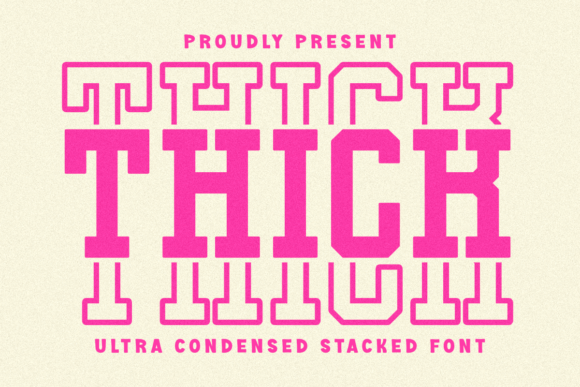
You’ve seen it on the gym wall, on the back of a varsity jacket, and now, all over your social media feed. There’s a particular style of typography that doesn’t just sit quietly on the page—it jumps out at you with a confident, athletic swagger. It’s the kind of lettering that feels solid, structured, and undeniably bold. If you've been looking for a typeface that combines that classic collegiate energy with a sharp, modern edge, you might be interested in exploring a design style that prioritizes presence above all else. One prime example of this movement is the Thick Stacked typeface, a design that understands that sometimes, volume is everything.
Unlike delicate serifs or flowing scripts, this style of design is about making a statement without whispering. It’s engineered for maximum impact, utilizing an ultra-condensed structure that allows letters to pile up vertically, creating a towering monolith of text. This isn't just about making letters fatter; it's about reshaping how we perceive space in typography. When you are working on a project that needs to grab attention immediately—whether it’s a flash sale banner or a new product launch—relying on standard fonts often leaves your message feeling flat. That is where the heavy hitters come into play, offering a visual weight that anchors your design.
The Anatomy of Impact: Understanding the Stacked Aesthetic
So, what exactly makes a font like this work so well? It comes down to the engineering of the letterforms. A standard sans-serif font is designed to flow horizontally, prioritizing readability in long sentences. A display typeface like Thick Stacked, however, flips the script. By condensing the width of the characters and exaggerating their height, the designer creates a sense of vertical momentum. It mimics the look of vintage athletic branding, where team names had to fit on the front of a jersey without wrapping around the player's armpit.
But it’s not just about being tall and narrow. The magic lies in the "stacked" capability. This particular font family usually comes with more than just the standard solid weight. It often includes a matching outline or a secondary layer. This allows you to overlap text, create 3D effects, or add depth to your headlines without needing advanced software skills. Imagine typing your headline in the solid font, duplicating the layer, changing it to the outline font, and shifting it slightly. Suddenly, you have a dynamic, modern 3D display typography effect that looks like it took hours to handcraft.
This layered approach is vital for creators who need versatility. You might want a solid, aggressive look for a gym logo, but a more playful, outlined look for a summer music festival poster. Having these variations built into the font package ensures visual consistency while giving you creative freedom.
Real-World Applications: From T-Shirts to Social Media
If you are running a Print on Demand (POD) business, you know the struggle of finding designs that actually sell. Generic script fonts are everywhere. However, the bold, varsity-inspired look taps into a specific, enduring trend. It feels nostalgic yet fresh. Here is how you can practically apply a font like Thick Stacked to various projects:
- Merchandise and Apparel: This is the natural home for athletic fonts. It works perfectly for T-shirt design, hoodies, and caps. The thick strokes ensure the design is visible from a distance, which is crucial for streetwear.
- Logo Design: If you are branding a sports team, a fitness studio, or even a high-energy tech startup, this font style communicates strength and reliability. It suggests that the brand is "solid" and "unmovable."
- Social Media Graphics: On platforms like Instagram or TikTok, you have milliseconds to stop the scroll. A bold, stacked headline acts as a visual anchor. It’s excellent for quote graphics, sale announcements, and podcast covers.
- Packaging and Labels: Think about coffee bags, energy drinks, or hot sauce. These products often rely on bold typography to stand out on a crowded shelf. The condensed nature of the font allows you to fit a long product name into a small space while maintaining legibility.
- Poster and Editorial Design: For event posters or magazine covers, this typeface commands the hierarchy. It naturally draws the eye to the main event title, ensuring the most important information is seen first.
Strategic Typography: Building Brand Recognition
Choosing a font is rarely just an aesthetic decision; it is a strategic one. Typography is the voice of your brand. A handwritten font whispers; a serif font speaks formally. A thick, stacked display font shouts with authority. If your brand identity is built around concepts like power, resilience, community, or competition, this style of typography aligns perfectly with those values.
However, using a display font effectively requires discipline. Because it is so visually loud, it can easily overwhelm a design if used incorrectly. Here are a few practical tips for integrating this style into your workflow:
- Prioritize Hierarchy: Use your bold, stacked font strictly for headlines and titles. Do not try to write a paragraph in an ultra-condensed display font; it will become unreadable. Pair it with a clean, simple sans-serif or serif font for body text to create a balanced composition.
- Check Your Licensing: Before you launch that T-shirt line or sell that logo to a client, ensure you have the correct commercial license. Most premium fonts come with different tiers—a desktop license for printing and a web license for digital use. Always read the fine print to avoid legal headaches down the road.
- Test for Readability: While these fonts are designed to be legible at large sizes, complex letter combinations can sometimes get tricky. Always type out your specific headline to ensure the letters don't clash or create unintentional shapes.
Beyond the Basics: Creative Font Pairing
One of the most common questions designers have about heavy display fonts is what to pair them with. If your headline is "THICK STACKED" in massive, blocky letters, you don't want your subheadline to compete for attention.
A great rule of thumb is contrast. If the primary font is geometric, bold, and sans-serif, try pairing it with a serif font that has a bit of elegance or a very light, thin sans-serif for the body copy. This creates a visual hierarchy that guides the reader's eye naturally from the big impact statement down to the details.
For example, imagine a poster for a local basketball tournament. The event name "City Slam" could be set in Thick Stacked with a red solid layer and a black outline layer to create that 3D pop. Below that, the date, time, and location could be set in a clean, neutral font like Helvetica or Roboto. The contrast between the heavy display font and the functional body text makes the information easy to digest while keeping the energy high.
Investing in Quality Design Assets
In the world of design, you often get what you pay for. Free fonts found on random websites can be tempting, but they frequently lack the precision engineering found in premium font packages. A high-quality typeface like Thick Stacked is kerned correctly (meaning the spacing between letters is optimized), includes multiple styles (solid and outline), and comes with a valid license for commercial use.
When you invest in a professional font, you are essentially buying a tool that saves you time and elevates your work. Instead of trying to warp and manipulate a standard font to look "cool," you have a purpose-built asset designed specifically for high-impact visuals. Whether you are a seasoned graphic designer looking to refresh your toolkit or a small business owner trying to create your own marketing materials, having a reliable, bold display font in your arsenal is non-negotiable.
Ultimately, the goal of any design asset is to communicate effectively. In a crowded market, clarity and boldness win. By utilizing a typeface that embraces the thick, stacked aesthetic, you aren't just choosing a font; you are choosing to be seen. You are choosing a style that respects the history of athletic branding while pushing forward into modern design trends. It’s about taking up space, standing your ground, and making sure your message is heard loud and clear.