Crafting Authenticity: The Paper Kuto Typeface Experience
There is a distinct, nostalgic warmth to things made by hand. In a digital landscape often dominated by sleek, sterile vectors and perfect geometric precision, we crave the tactile imperfections of the real world. You know the feeling—the slight jag of a scissors edge, the texture of construction paper, and the playful shadows cast by overlapping cutouts. This is exactly the visual language that Paper Kuto speaks fluently. It isn't just a collection of letters; it is a premium font designed to inject that organic, handmade charm directly into your digital and print designs. If you are looking to bridge the gap between digital convenience and the rustic appeal of DIY crafts, this typeface offers a solution that feels both artistic and deeply personal.
The Anatomy of a Papercut Style Font
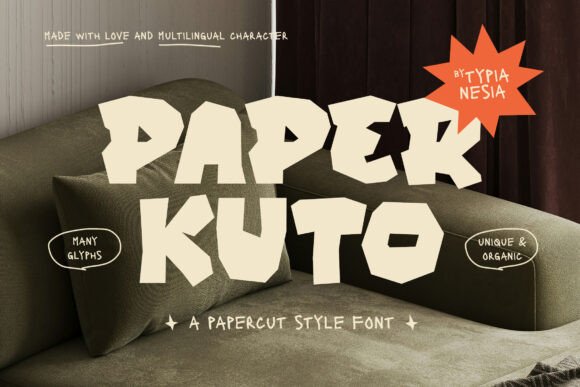
Understanding what makes Paper Kuto visually distinct requires looking past standard typography rules. Unlike a traditional serif font or a clean sans serif font, this typeface is built on the concept of physical construction. The letterforms mimic the look of paper strips and cutouts, creating a sense of depth and layering that is rare in standard design assets.
The visual appeal lies in its "imperfection." The edges aren't perfectly smooth, and the shapes possess a playful irregularity that suggests a human hand was involved in the creation. This aesthetic functions as a display font that commands attention without shouting. It brings a whimsical, artistic touch to headers, logos, and packaging. Because it mimics real paper crafting, it naturally evokes feelings of comfort, creativity, and approachability. For designers, this means you can instantly soften a brand's image or add a layer of friendly sophistication to a project that might otherwise feel too corporate.
Real-World Applications for Modern Creators
While some specialty fonts are limited in their utility, the applications for a papercut style typeface are surprisingly broad. It serves as a powerful tool for anyone looking to establish a unique visual identity.
- Branding and Identity: If you are launching a brand that values sustainability, handmade goods, or community, Paper Kuto can serve as the cornerstone of your visual identity. It works exceptionally well for bakeries, boutique clothing lines, eco-friendly products, and creative agencies.
- Children’s Media and Education: The playful nature of the font makes it an obvious choice for children’s books, educational materials, and game design. It captures the imagination and feels safe and engaging for younger audiences.
- Packaging Design: In a crowded retail environment, packaging needs to tell a story quickly. Using this creative font on product labels or boxes suggests that the product inside is crafted with care.
- Event Invitations and Stationery: For weddings, baby showers, or birthday parties, the font provides a custom, artisanal look that standard script fonts struggle to replicate.
- Social Media and Digital Marketing: On platforms like Instagram or Pinterest, where visual stopping power is everything, a unique display font can increase engagement. Use it for quote graphics, sale announcements, or headers to break the scroll.
Strategic Typography: Improving Visual Consistency and Engagement
Choosing a font is rarely just about aesthetics; it is a strategic decision that impacts how your audience perceives your message. When you integrate Paper Kuto into your workflow, you are doing more than decorating text—you are building a bridge to your audience.
First, consider brand recognition. A unique typeface helps your brand become instantly recognizable. When followers see that distinctive cut-out style in their feed, they know it’s you before they even read the word. This consistency builds trust. Second, there is the matter of audience engagement. People are drawn to things that feel authentic. In an era of AI-generated content and stock imagery, the "handmade" look of this font signals that a real human is behind the brand, which can significantly boost connection and loyalty.
However, readability is key. Because this is a display font with intricate details, it is best used for headlines, sub-headers, and short bursts of text. Avoid using it for long paragraphs of body copy, where the complexity of the letterforms might tire the reader's eyes. Instead, pair it with a highly legible sans serif font for the body text to create a balanced hierarchy.
Practical Advice for Font Pairing and Usage
To get the most out of this design asset, you need to treat it as part of a system rather than a standalone element. Here are some practical tips for implementation:
- Test Your Pairings: Contrast is your friend. Because Paper Kuto has a lot of texture and personality, pair it with something simple and clean. A geometric sans serif or a light, modern serif font often works best. This ensures your headers pop while your body text remains easy to read.
- Watch Your Sizing: Details can get lost at small sizes. Always test the font at the size it will be viewed. If you are designing for a mobile app or a website, ensure the "papercut" effect is visible on smaller screens. If it looks muddy, increase the size or use it only for the main hero image.
- Color Psychology: This typeface sings when paired with the right colors. Earthy tones, pastels, and vibrant craft-paper colors (like construction paper reds, blues, and yellows) enhance the theme. High-contrast backgrounds can also make the text look like a physical sticker or cutout.
- Commercial Licensing: Before using the font for a client project or merchandise, always double-check the licensing terms. Most premium fonts distinguish between personal use (like a scrapbook for yourself) and commercial use (like selling t-shirts with the font). Ensure your license covers your specific intended use to avoid legal headaches later.
Elevating the Everyday with Artistic Typography
In the end, typography is about voice. Every font whispers a different story to the viewer. While a bold sans serif might shout "corporate authority," and a delicate script might whisper "elegance," Paper Kuto tells a story of creativity, care, and approachability. It is a versatile asset that fits seamlessly into the toolkits of graphic designers, small business owners, and creative hobbyists alike.
Whether you are designing a logo for a new startup, laying out a digital magazine, or creating graphics for a community fundraiser, this papercut style font offers a way to stand out. It reminds us that design doesn't always have to be serious or rigid—it can be tactile, playful, and deeply human. By incorporating this typeface into your projects, you aren't just choosing a font; you are embracing a style of communication that resonates on an emotional level.