Dreaming Tree: A Dingbats Font for Whimsical Creations
Sometimes, a project doesn’t need a paragraph of text to tell a story; sometimes, it just needs a single, well-placed icon to evoke a feeling. If you have ever stared at a blank notebook page or a draft greeting card feeling like something was missing, you likely weren't lacking words—you were lacking atmosphere. Enter the "Dreaming Tree" font. While many typographers focus on the weight of serifs or the curve of a sans-serif ascender, this typeface takes a different approach entirely. It is a dingbats font, meaning it replaces standard letters with graphic elements, symbols, and illustrations. For the creative professional or the weekend crafter, this distinction is the key to unlocking a toolbox of visual storytelling that standard typography simply cannot provide.
Visualizing the Atmosphere: More Than Just Symbols
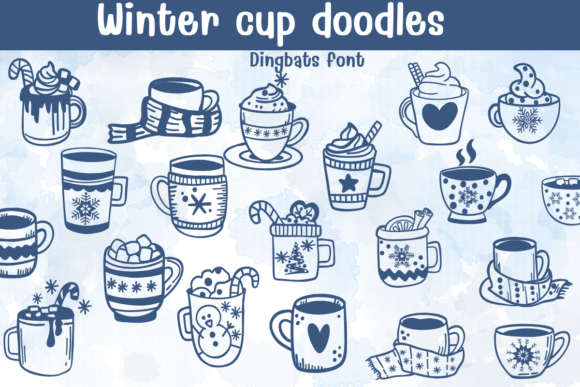
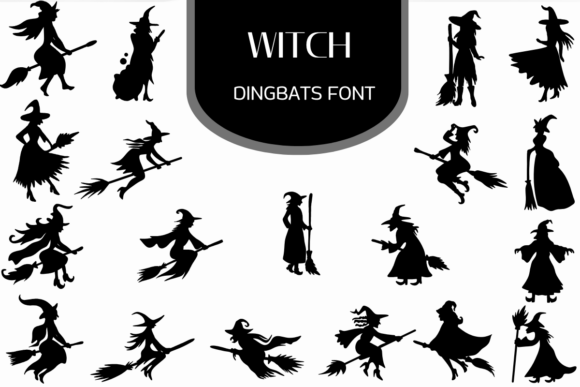
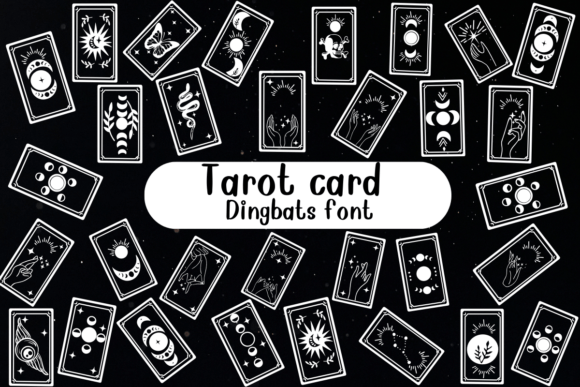
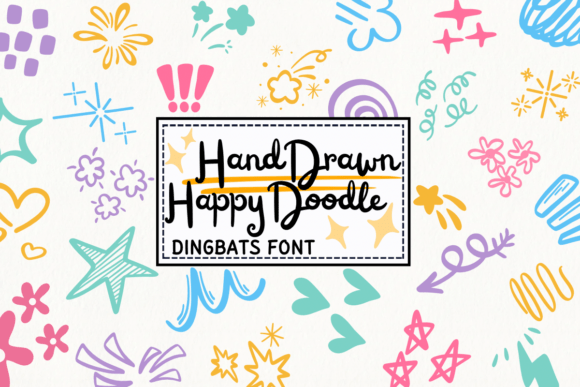
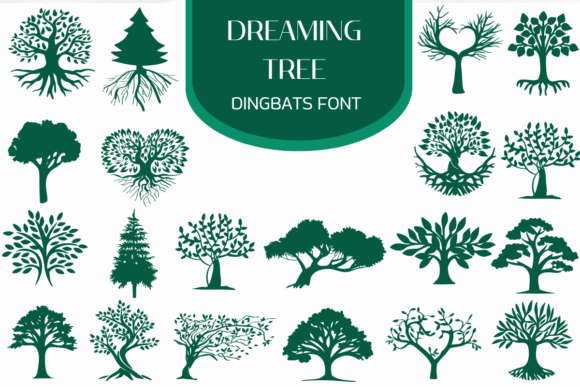
When we talk about typography, we usually discuss legibility and kerning. With a dingbats font like Dreaming Tree, the conversation shifts to mood and iconography. Visually, this typeface is designed to evoke a sense of organic whimsy. The "letters" are not text in the traditional sense but rather intricate illustrations. You might find nature-inspired motifs, swirling flourishes, or decorative borders that fit a specific aesthetic—think vintage botanical sketches or modern line art.
What makes Dreaming Tree visually appealing is its versatility as a design asset. Unlike stock vector images that can feel generic or disjointed, a dingbats font is designed with a unified visual language. Every symbol shares the same stroke weight, style, and artistic intent. This ensures that when you use these elements together, they look like a cohesive family rather than a random collage. For anyone working on brand identity, this internal consistency is invaluable. It allows you to build a visual vocabulary without needing to commission custom illustrations from scratch.
From Personal Journals to Professional Branding
The utility of Dreaming Tree extends far beyond simple decoration. It is a premium font in spirit because of the time it saves and the polish it adds to a project. Consider the practical applications across different mediums:
- Stationery and Personal Projects: If you are a crafter, this font is a game-changer for greeting cards. Instead of buying stickers or stamps, you can type out the dingbats directly onto your paper before printing. It works beautifully for writing diaries or taking notes, allowing you to add visual flair to your bullet journal or daily planner without breaking your flow.
- Merchandise and Packaging: For small business owners, the applications are equally robust. Imagine designing mugs or shirts. A dingbats font allows you to create intricate patterns or focal point graphics that are ready for print-on-demand services. In packaging design, these symbols can be used to create custom wrapping paper, box liners, or seal stickers that reinforce your brand's look.
- Digital Marketing and Social Media: In the fast-paced world of social media graphics, standing out is difficult. Dreaming Tree allows content creators to design unique Instagram highlights, Facebook banners, or Pinterest pins. Because these are vector-based characters within the font file, they scale perfectly from a tiny mobile screen to a large desktop display without losing quality.
Integrating Dreaming Tree into Modern Design Workflows
As a creative font, Dreaming Tree fits perfectly into the current trend of modern typography where mixing and matching styles is encouraged. However, using a dingbats font effectively requires a slightly different strategy than using a standard script font or serif font.
One of the most valuable aspects of this typeface is its ability to bridge the gap between digital and physical products. For web design, you can use the characters as lightweight vector icons for buttons or section dividers, which is often faster than loading heavy image files. For editorial design, such as blogs or magazine layouts, these symbols serve as excellent drop caps or pull-quote decorations.
When working on logo design, you might find that a standard lettermark isn't capturing the essence of your brand. Incorporating a symbol from Dreaming Tree can add that necessary layer of meaning. For example, a small floral dingbat added to the end of a brand name can instantly shift the tone from corporate to artisanal. This flexibility makes it a powerful tool for visual communication, allowing you to adjust the "volume" of your design's personality simply by choosing which characters to display.
Practical Tips for Typography and Pairing
Using a font like Dreaming Tree effectively isn't just about choosing the prettiest symbol; it’s about integration. Here are some practical considerations for getting the most out of this typeface:
- Readability and Hierarchy: Because dingbats are images, they don't have "readability" in the traditional sense, but they do have visual weight. You should treat these symbols like photographs. Ensure they have enough white space around them so they don't crowd your text. If you are using the font to create a border, ensure the pattern doesn't make the text above it difficult to focus on.
- Font Pairing: Dingbats fonts pair best with clean, simple typography. If you have a busy, textured background or a complex illustration from Dreaming Tree, pair it with a clean sans serif font for your body text. If the dingbats are simple line art, you have more room to use a handwritten font or a decorative serif for headers. The goal is contrast; let the art be art and the text be text.
- Color and Texture: Don't feel limited to black and white. These symbols often look stunning when used in a brand's accent color. You can also apply textures to the dingbats to make them look like foil, watercolor, or woodcut prints, depending on the project requirements.
Commercial Considerations and Licensing
For designers and small business owners, the aesthetic appeal of a font is only half the equation; the practical side of licensing is equally important. Before downloading and using Dreaming Tree—or any commercial font—always verify the license.
Most premium fonts come with different tiers. A "Desktop" license usually covers physical goods like cards, stationery, and printed posters. However, if you are using the font to create a logo or a product for sale (like a t-shirt), you often need an extended license or a commercial license specifically covering "print-on-demand" usage. If you are a web developer, check if a "Webfont" license is required for embedding the font in CSS.
Dreaming Tree is a creative font that invites experimentation. It empowers you to move beyond standard text and inject personality into every corner of your canvas. Whether you are designing a banner for a local market, formatting a digital diary, or building a visual identity for a new startup, having a library of high-quality dingbats ensures you always have the right visual element at your fingertips.