Morrison: A Typeface That Channels 1930s Glamour
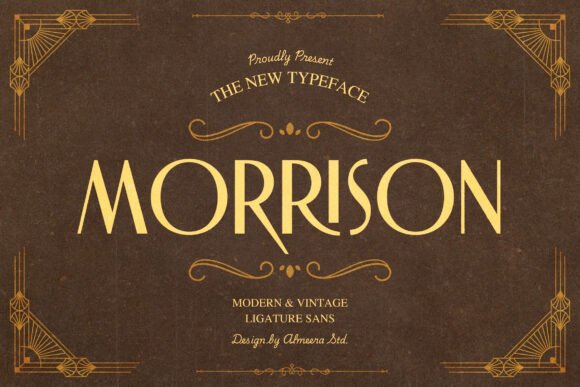
There's a particular kind of elegance that defined the 1920s and 1930s—a period when architecture, fashion, and graphic design converged into something bold, geometric, and unmistakably luxurious. Think of the Chrysler Building's crown, the sleek lines of Art Deco movie posters, or the sophisticated lettering on vintage travel labels. That aesthetic never really disappeared; it simply waited for the right typeface to bring it back to life. Morrison is that typeface—a premium font that channels the spirit of the decorative arts movement while remaining thoroughly usable for contemporary design projects.
Where Vintage Craft Meets Modern Utility
What sets Morrison apart from other display fonts is its ability to balance historical reference with practical application. This isn't a novelty typeface you'd use once and forget. It's a carefully constructed serif font with semi-modern proportions, meaning it nods to the past without feeling like a costume. The letterforms carry the weight and geometry of Art Deco typography, but the spacing, kerning, and overall rhythm feel current. Designers who work across branding, editorial design, and packaging design will appreciate that Morrison doesn't require context to work—it simply looks refined in almost any setting.
The ligatures deserve special attention. Where many fonts treat ligatures as an afterthought, Morrison integrates them as a core feature. These character combinations create seamless connections between letters, adding a handcrafted quality that elevates headlines, logos, and signage. When you set a word or phrase in Morrison, the ligatures give the text a flowing sophistication that feels intentional and polished rather than digitally assembled.
Practical Applications That Actually Work
Let's talk about where Morrison shines in real-world projects. If you're designing a logo for a boutique hotel, a craft distillery, or a high-end skincare brand, this typeface delivers instant credibility. The geometric structure reads as trustworthy and established, while the Art Deco influence suggests taste and attention to detail. For small business owners building a brand identity from scratch, choosing Morrison as a primary typeface can shortcut the process of conveying sophistication—you don't need to overthink your visual language when the typography already communicates it.
Packaging design is another natural fit. Morrison works beautifully on labels for wine bottles, specialty foods, cosmetics, and artisanal products. Its legibility at various sizes means you can use it for both the product name and supporting text without losing clarity. The font's vintage character also pairs well with textured paper stocks, foil stamping, and embossing—finishing techniques that complement its inherent sense of craftsmanship.
For social media graphics, Morrison offers something most script fonts and handwritten fonts don't: instant readability at thumbnail size. Instagram posts, Pinterest pins, and Facebook headers all benefit from typefaces that grab attention quickly. Morrison's bold, structured letterforms hold up well in digital environments, making it a strong choice for content creators who want their graphics to stand out in crowded feeds without sacrificing elegance.
Pairing Morrison With Other Typefaces
No font exists in isolation, and Morrison is no exception. One effective approach is pairing it with a clean sans serif font for body text. The contrast between Morrison's decorative character and a minimalist sans serif creates visual hierarchy without competing for attention. Think of Morrison handling headlines and display text while a typeface like Montserrat, Lato, or Futura manages paragraphs and captions. This combination works particularly well for websites, blog layouts, and marketing materials where you need both personality and readability.
For editorial layouts and print materials, consider pairing Morrison with a classic serif font for body copy. This creates a more unified aesthetic—two serif typefaces in conversation with each other—while still maintaining enough contrast to guide the reader's eye. The key is ensuring the secondary font has a simpler, more understated personality so Morrison remains the visual anchor.
Experimentation matters here. Set a few sample headlines in Morrison, then test different body text options alongside them. Look at how the x-heights compare, how the weights interact, and whether the overall composition feels balanced. Font pairing is as much about intuition as it is about rules, so trust your eye and test multiple combinations before committing.
Readability and Licensing Considerations
While Morrison excels as a display font and works beautifully for headers, certificates, labels, and signage, it's worth thinking carefully about where you deploy it. Long-form body text typically calls for simpler typefaces with more neutral personalities. Morrison's decorative details—those gorgeous ligatures and Art Deco-influenced curves—can become visually fatiguing in dense paragraphs. Use it strategically for high-impact moments: a magazine cover headline, a wedding invitation's main text, a poster's title, or a t-shirt graphic.
Before finalizing any commercial project, review the font's licensing terms. Most premium fonts come with specific guidelines about usage across digital products, merchandise, and print materials. If you're creating assets for a client or planning to sell products featuring the font, make sure your license covers commercial use. This is a detail that trips up even experienced designers, so it's worth confirming before you invest hours in a project.
Why Morrison Belongs in Your Design Toolkit
Every designer, marketer, and creative entrepreneur benefits from having a few distinctive typefaces that work across multiple contexts. Morrison fills a specific niche: it brings vintage glamour and architectural precision to projects without feeling dated or gimmicky. Whether you're crafting a brand identity for a new business, designing merchandise for an online store, or laying out an editorial spread, this typeface offers the kind of versatility that justifies its place in your font library.
The real value of a typeface like Morrison isn't just aesthetic—it's functional. Strong typography improves visual consistency across your brand, reinforces recognition every time someone encounters your materials, and communicates professionalism before a single word is read. When your audience sees Morrison on your packaging, your website, and your social media graphics, they absorb a cohesive visual message that builds trust over time. That's the power of choosing the right typeface and using it with intention.