Movie Cover Font: Bold Typography for Cinematic Impact
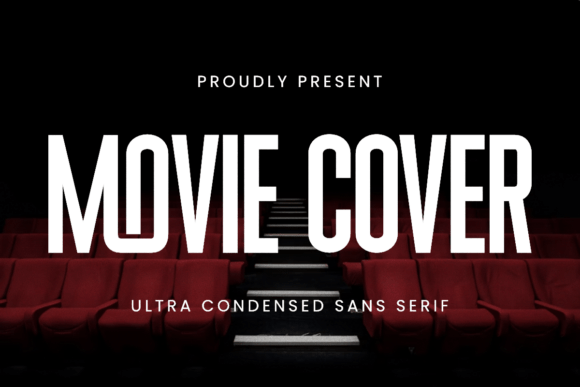
Imagine walking past a movie poster that grabs you from across the lobby. The title doesn't just sit there—it commands attention with tall, dramatic letters that feel like they belong on a silver screen. That's the kind of presence Movie Cover brings to your design projects. This ultra condensed sans serif font was built for moments when you need maximum impact in minimum space, whether you're creating a film poster, designing a streaming thumbnail, or crafting a brand identity that demands to be noticed.
Why Condensed Typography Works for Modern Design
There's a reason condensed fonts have become staples in contemporary design. When space is limited but your message needs to be bold, a typeface like Movie Cover solves problems that wider fonts simply can't. Think about the last time you designed a social media graphic where the headline had to fit within tight dimensions, or a packaging layout where every millimeter counted. The tall, sleek letterforms of condensed sans serif fonts allow you to stack words vertically, create dramatic hierarchy, and maintain readability even at smaller sizes.
What makes Movie Cover particularly effective is its dramatic personality without sacrificing clarity. Some condensed fonts sacrifice legibility for style, but this typeface maintains clean, modern letterforms that read well across different applications. The letter spacing feels intentional, the proportions are balanced, and the overall aesthetic carries that cinematic quality that makes viewers stop scrolling and start paying attention.
Practical Applications Across Creative Projects
Let's talk about where this font actually shines in real-world scenarios. If you're a content creator designing YouTube thumbnails or Instagram stories, Movie Cover gives you that professional edge without requiring advanced design skills. The condensed style means you can fit longer titles into small spaces while keeping them visually dominant. For bloggers and digital publishers, this typeface works beautifully for article headers, section titles, and pull quotes that need to break up text-heavy layouts.
Small business owners will find this font particularly useful for branding materials that need to communicate strength and modernity. Consider using it for:
- Logo design where you want a contemporary, impactful wordmark
- Packaging design for products targeting younger, design-conscious audiences
- Event invitations that need a bold, memorable headline
- Marketing assets like flyers, banners, and digital advertisements
- Merchandise design including t-shirts, posters, and promotional items
The versatility extends to editorial layouts as well. Magazine covers, book titles, and album artwork all benefit from typefaces that can carry dramatic weight without overwhelming accompanying visual elements. Movie Cover's condensed proportions make it particularly effective when paired with photography or illustration, allowing the typography to complement rather than compete with imagery.
Building Brand Recognition Through Typography
Consistency in typography creates familiarity, and familiarity builds trust. When you select a font like Movie Cover as part of your brand identity system, you're making a commitment to a specific visual language. This typeface communicates modernity, confidence, and a certain cinematic flair that can elevate how audiences perceive your brand. Whether you're launching a new business or refreshing an existing identity, the fonts you choose become part of your brand's personality.
Consider how streaming platforms use bold, condensed typography for their original content branding. The same principles apply to smaller-scale projects. A fitness studio using Movie Cover for its class schedules and promotional materials projects energy and intensity. A creative agency using it for client presentations and portfolio pieces communicates innovation and bold thinking. The font becomes shorthand for the qualities your brand represents.
Pairing and Practical Considerations
No font works in isolation, and Movie Cover is no exception. When incorporating this typeface into your projects, consider pairing it with complementary fonts that provide contrast and balance. A clean sans serif font for body text creates a harmonious relationship with Movie Cover's dramatic headlines. Alternatively, pairing it with a subtle serif font can create interesting tension between traditional and contemporary aesthetics.
Testing font pairings before finalizing your design is crucial. Create sample layouts with different combinations and evaluate them at various sizes and in different contexts. How does the pairing look on a mobile screen versus a printed poster? Does the hierarchy remain clear when both fonts are used together? These practical tests reveal whether your typography choices actually serve the project's goals or simply look good in isolation.
Readability should always be a priority, even with display fonts designed for impact. While Movie Cover excels at headlines and titles, it's not intended for body text or extended reading. Use it strategically for maximum effect where bold typography is needed, and rely on more neutral fonts for longer passages. This approach maintains visual interest while ensuring your content remains accessible and easy to consume.
Licensing and Professional Use
Before incorporating any premium font into commercial projects, understanding the licensing terms is essential. Most creative fonts come with specific usage rights that determine how they can be applied across different media. Whether you're designing for clients, creating products for sale, or developing marketing materials for your own business, ensure the font license covers your intended applications.
Many professional fonts include multiple styles and weights that expand their versatility. Explore what's included with your font purchase—additional weights, alternate characters, or stylistic variations can significantly increase the value and utility of your investment. These extras often provide solutions to design challenges you might encounter later in a project.
The right typography choice often makes the difference between designs that feel amateurish and those that communicate professionalism. Movie Cover offers a specific aesthetic that works exceptionally well for certain applications, but like any design tool, its effectiveness depends on how thoughtfully it's implemented. Consider your project's goals, your audience's expectations, and the overall visual system you're creating before committing to any typeface.
Typography remains one of the most powerful tools in visual communication. A font like Movie Cover provides designers, creators, and business owners with a resource that can transform ordinary layouts into memorable visual experiences. Whether you're working on your next film poster, designing a brand identity, or creating social media content that stops the scroll, having the right typographic tools makes all the difference in how your message is received and remembered.